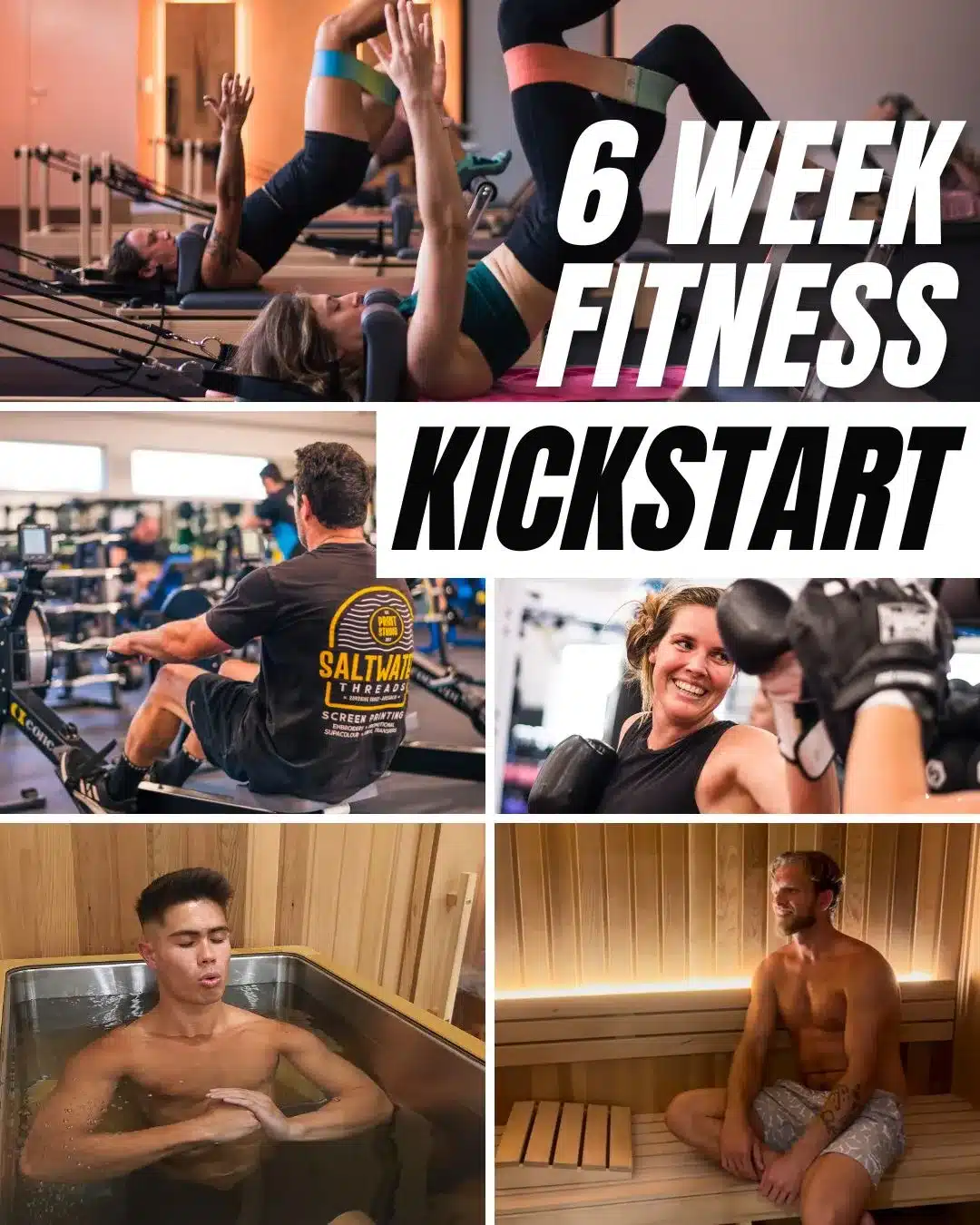
Unlock Your Fitness Potential: The Science-Backed Power of compression & contrast therapy for recovery

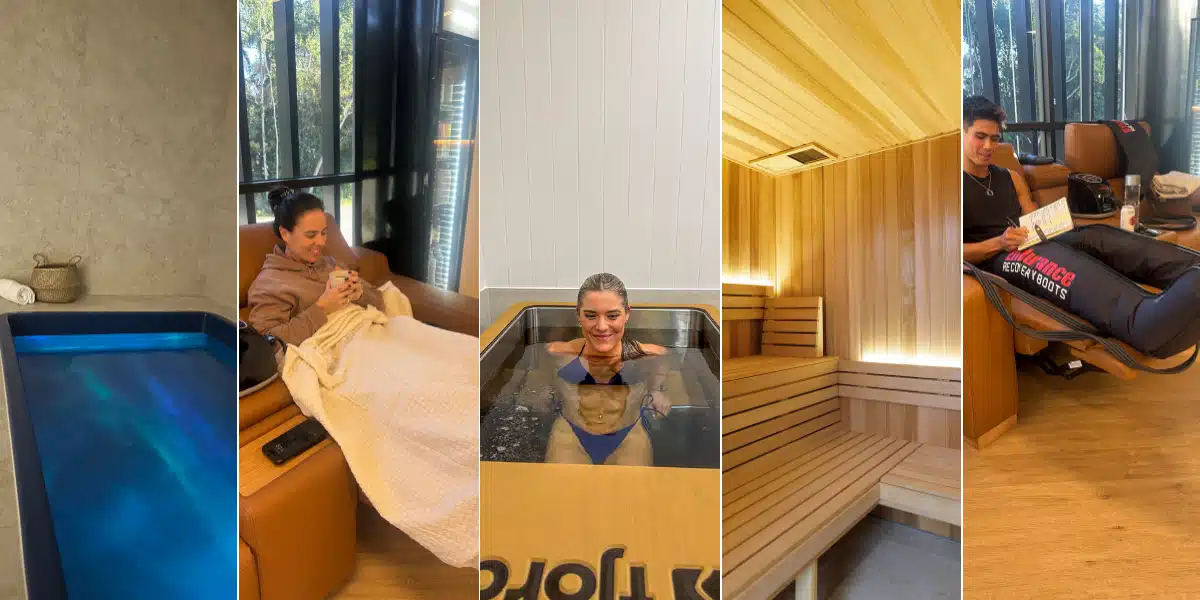
The Science-Backed Power of Recovery Protocols Like Contrast Therapy & Compression
When it comes to achieving peak performance and visible results, training hard isn't enough—recovery is the missing piece most gym-goers overlook. Yet, emerging research shows that structured recovery routines like contrast therapy and compression therapy can accelerate muscle recovery by 30–50% compared to passive rest alone.
Want to get started? Check out our recovery and wellness partner - Excelsius Wellness by clicking the button below, or keep reading for more.
Why Your Recovery Routine Matters More Than You Think
You push hard in the gym—but if you're constantly sore, fatigued, or hitting plateaus, the issue isn’t your training intensity. It's the lack of recovery strategy.
Just like strength training signals your body to build muscle, recovery protocols create the optimal conditions for that growth to happen.
Contrast Therapy: Hot + Cold for Faster Rebound
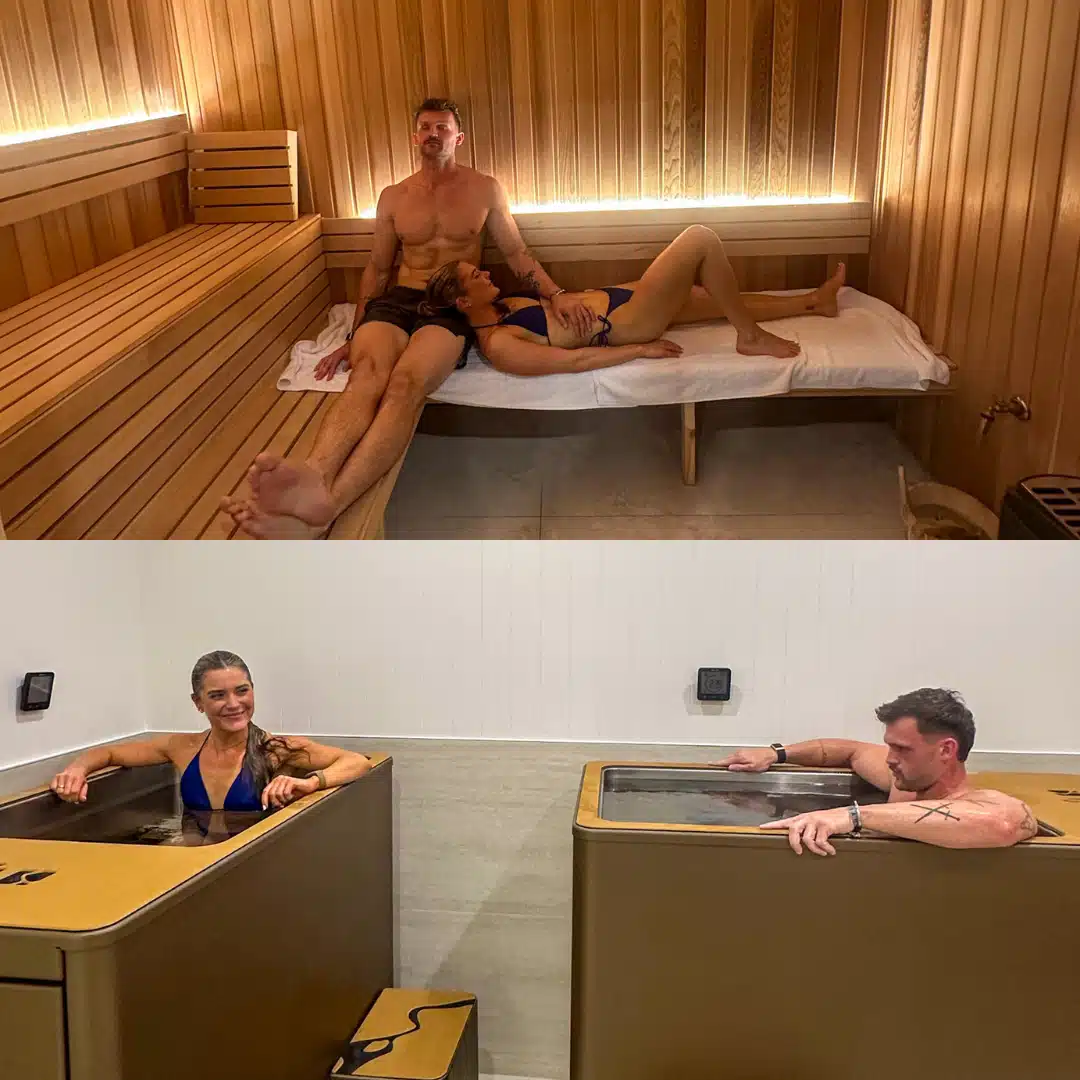
Contrast therapy involves alternating between heat (e.g., sauna) and cold (e.g., cold plunge). Research shows this boosts circulation, flushes out lactic acid, and regulates inflammation. Here’s how:
Heat (Sauna): Increases blood flow, relaxes tight muscles, reduces DOMS (Delayed Onset Muscle Soreness).
Cold (Plunge): Reduces inflammation, numbs soreness, and improves vascular tone.
Combined: Enhances metabolic waste removal and tissue repair, often 30–50% faster than resting alone.
Compression Therapy: Circulation & Recovery in One
Compression boots apply graduated pressure to muscle groups, improving venous return and lymphatic drainage. This reduces swelling and helps your muscles repair more efficiently—especially after long endurance sessions or heavy leg days.
Tailored Recovery Routines Based on Your Fitness Goals
Hypertrophy (Muscle Growth) Goals
While acute swelling and inflammation post-workout are part of the hypertrophy process, providing signals for repair and adaptation; strategically applied recovery tools like compression and delayed cold immersion can help manage discomfort without disrupting those early growth mechanisms.
Best Time to Use Contrast: The day after an intense lifting day to support muscle repair without interfering with inflammation (which is part of muscle-building).
Monday – Lower Body Lift
Heavy resistance training (quads, hamstrings, glutes)
→ Avoid cold plunge or aggressive recovery immediately post.Tuesday – Light Mobility + Compression Therapy (PM)
Focus on blood flow and active recovery.
Use compression therapy later in the day (or at least 6+ hours post Monday lift) to support circulation without interrupting muscle repair signals.
Optional: sauna for relaxation.Wednesday – Upper Body Lift
Chest, back, shoulders, arms.
→ Same principle: delay any cooling recovery for at least several hours.Thursday – Active Recovery + Contrast (PM)
Light cardio, mobility work, and delayed contrast therapy.
Cold plunge and sauna cycle okay here—day after training, not immediately after.
This is the ideal day for your first contrast therapy session of the week.Friday – Lower Body Lift
Second intense leg day.Saturday – Compression Therapy + Sauna
Great day for both active recovery and recovery modalities.Compression boots 6+ hours post Friday lift
Sauna session to relax muscles and support circulation
Sunday – Contrast Therapy
Sauna + cold plunge session
Use contrast to flush out inflammation and promote full recovery
→ Ideal way to prime your body for the next week
Endurance and Conditioning Goals
For endurance and conditioning goals, the aim is not to maximize localized muscle damage and inflammatory response (as in hypertrophy), but rather to:
Enhance recovery speed
Reduce muscle fatigue and soreness
Support high-frequency training
Maintain cardiovascular performance and neuromuscular efficiency
Best Time to Use Contrast: Right after training to reduce fatigue, muscle stiffness, and enhance back-to-back training performance.
- Suggested Weekly Plan:
Monday – Long Run + Contrast Therapy
Immediately post-run sauna-cold plunge cycle
→ Reduces inflammation, supports recovery for midweek intensityWednesday – HIIT Session + Compression Boots
Focus on recovery of nervous system and muscle fatigue post-session
→ Compression supports lymphatic flow and reduces sorenessFriday – Tempo Ride + Contrast Therapy
Another performance-heavy session; follow with contrast therapy to accelerate recovery.Saturday – Sauna Session + Mobility / Stretch
Light active recovery and heat therapy
→ Supports cardiovascular conditioning and mental recoveryTuesday / Thursday – Optional Light Training or Rest
Zone 2 cardio, walk, or yoga depending on recovery level
General Wellness & Recovery
Reduce stress, improve sleep, enhance joint mobility, and minimize soreness to stay active, energized, and injury-free.
Optimized Weekly Schedule:
Monday – Sauna + Cold Plunge (PM)
Kick off the week with contrast therapy to relax muscles, lower cortisol, and reset after the weekend.
→ Best done in the evening to promote deeper sleep.Tuesday – Light Mobility + Hydration Focus
15–20 mins of movement: yoga flow, stretching, or walking
→ Pair with electrolyte-rich hydration.Wednesday – Optional Recovery Day OR Compression Boots (if post-leg session)
If you’ve trained legs or spent a lot of time on your feet at work, use compression to reduce swelling and improve circulation.
Otherwise, enjoy an active rest day.Thursday – Sauna Only (PM)
Unwind mid-week with dry heat to release tension, improve skin health, and support sleep.Friday – Contrast Therapy (AM or PM)
Full sauna + cold plunge session.
→ Helps relieve the week’s built-up physical or mental stress.Saturday – Mobility + Outdoor Movement
Go for a nature walk, light hike, or group stretch session.
Stay hydrated and do some myofascial release if needed.Sunday – Optional Rest or Full Recovery Day
Contrast, compression, or just rest—based on how your body feels.
Monthly Bonus: Float Therapy Session
Add 1x per month float therapy session in a magnesium-rich Epsom salt tank.
Why it works:
High-dose magnesium absorption calms the nervous system, reduces cortisol, and replenishes depleted minerals.
Sensory deprivation enhances mental clarity, lowers anxiety, and improves sleep quality.
Great for mental reset, deep recovery, and combating burnout.
The Long-Term Payoff
Incorporating these recovery tools into your weekly routine leads to:
Consistent performance gains
Lower injury risk
Enhanced mental clarity and focus
Sustainable fitness habits
You train to feel strong. Recovery ensures you stay that way.
Ready to Take Recovery Seriously?
Make contrast therapy and compression a regular part of your gym routine—and experience the transformation recovery can deliver. Ask our staff about recovery access options at our partner Excelsius Wellness
Unlock Peak Performance & Deep Relaxation
Discover the power of recovery at Excelsius Wellness. From contrast therapy and remedial massage to float tanks and compression, our services are designed to help you move better, feel better, and live well. Whether you’re looking to ease sore muscles or take time out for yourself, we’ve got you covered
Unit 24/57 Owen Creek Rd, Forest Glen.
07 5406 1941
info@excelsiuswellness.com.au